Hospital ERP
Patient, queue, bill, and record in one system.
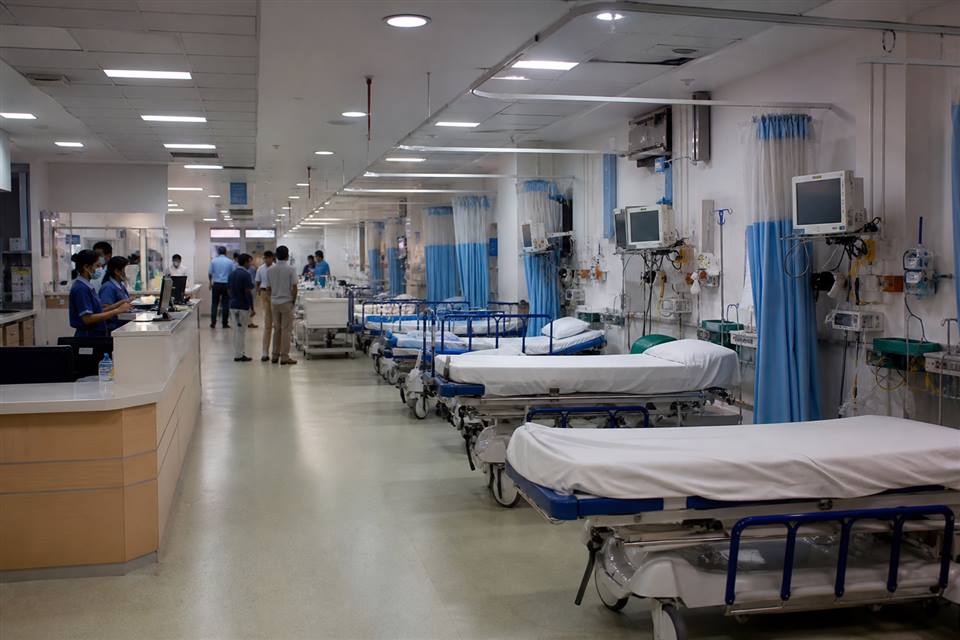
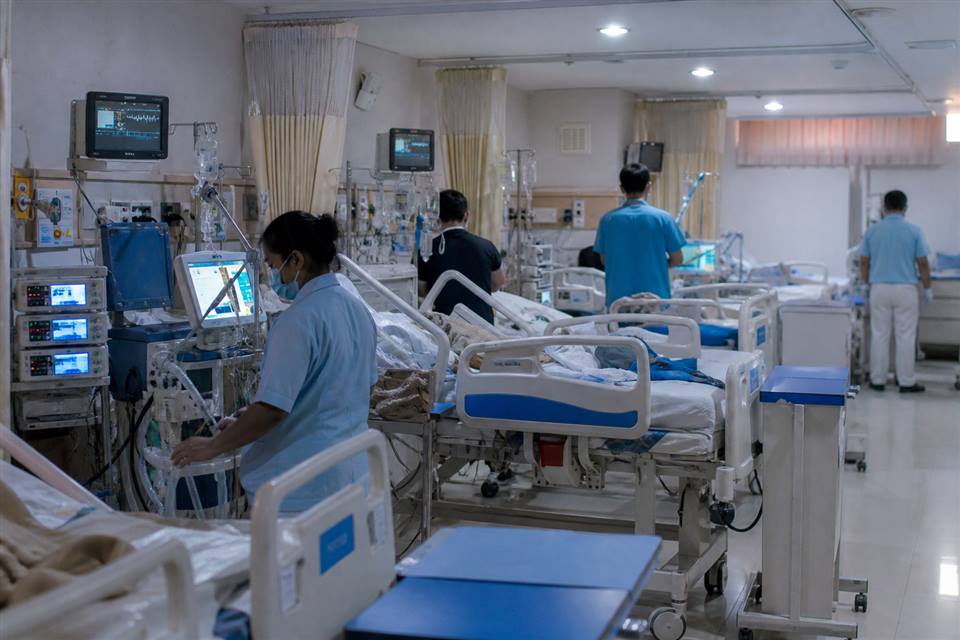
OPD and IPD on one encounter. Appointments, prescription, pharmacy, and lab hang off the same patient. Activate only the modules the facility needs.
Hospital ERP
OPD and IPD on one encounter. Appointments, prescription, pharmacy, and lab hang off the same patient. Activate only the modules the facility needs.
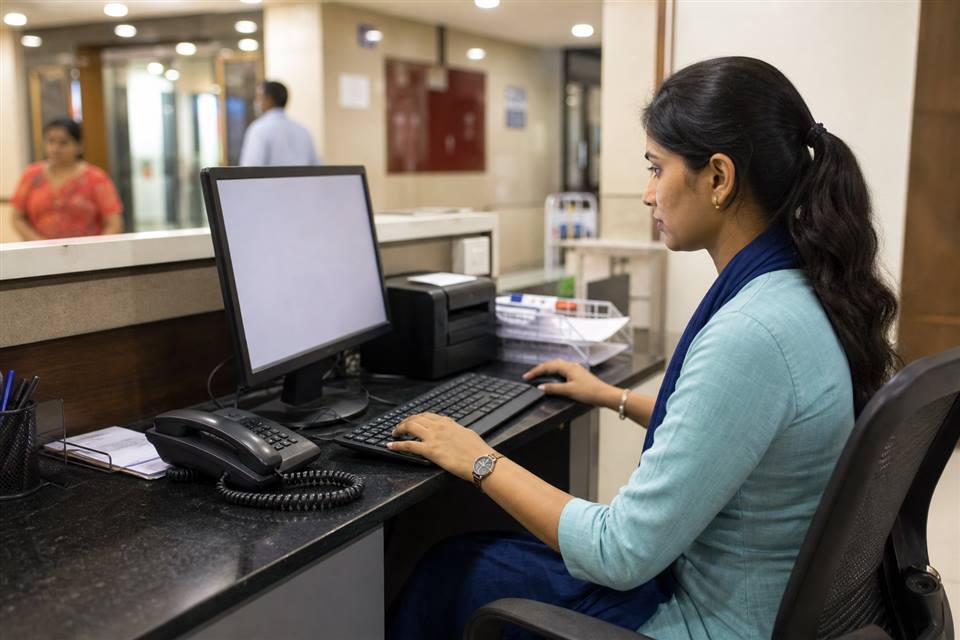
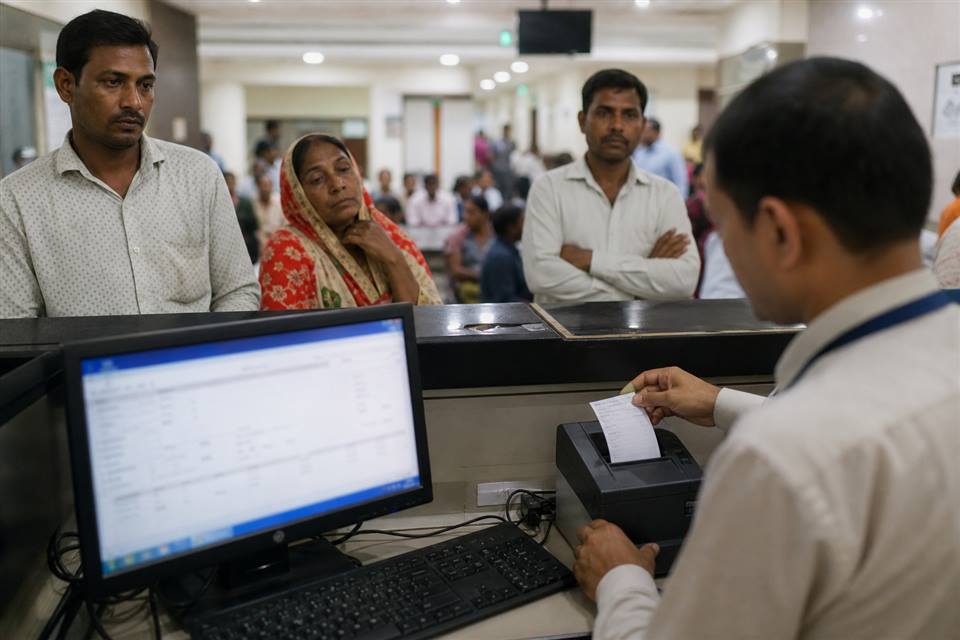
Front desk
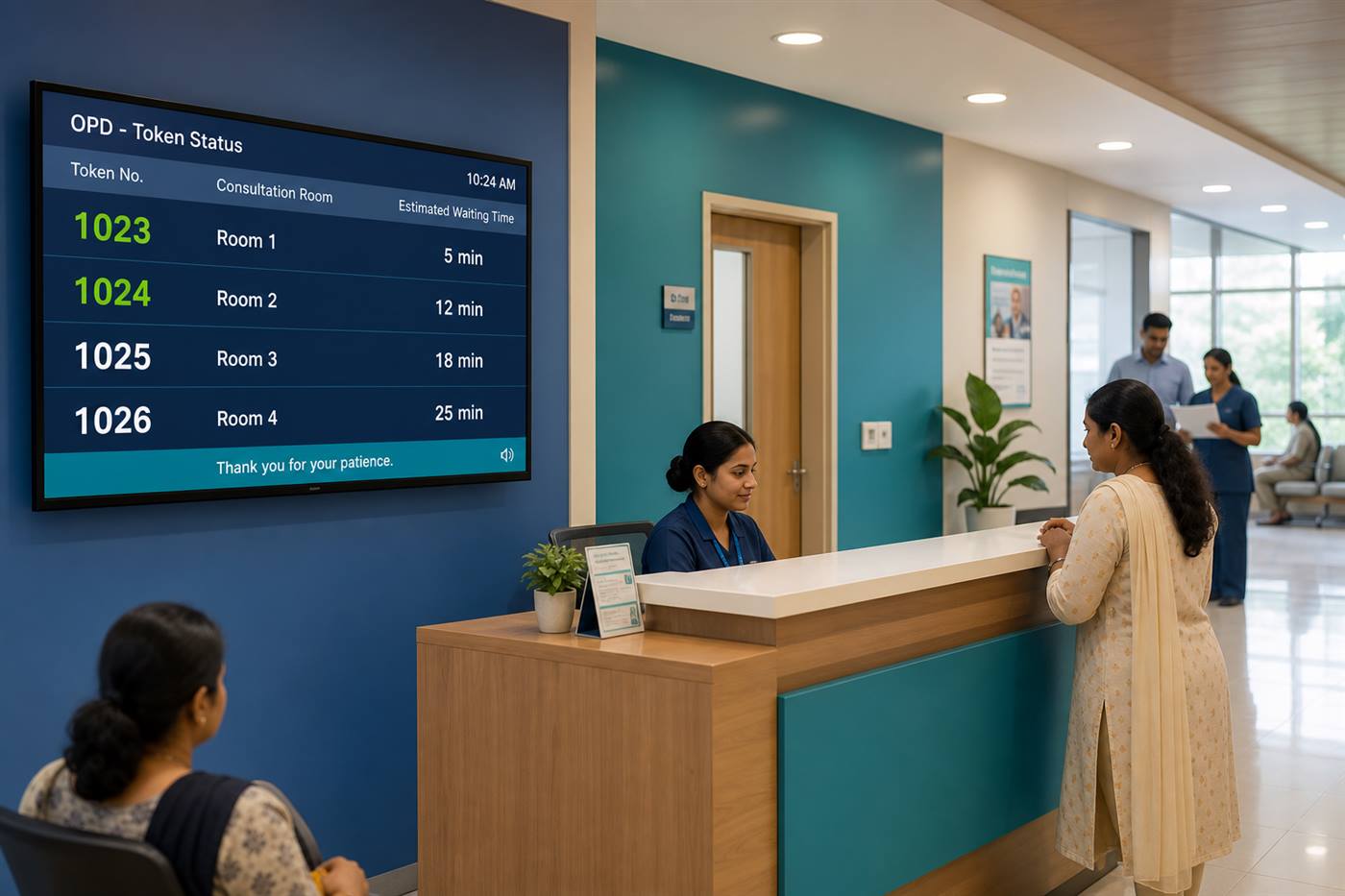
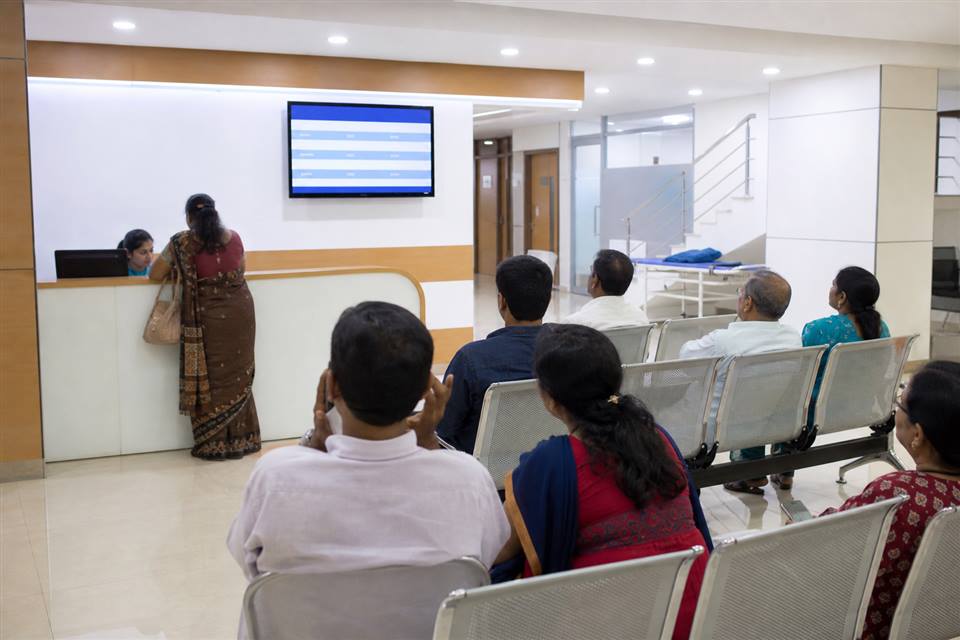
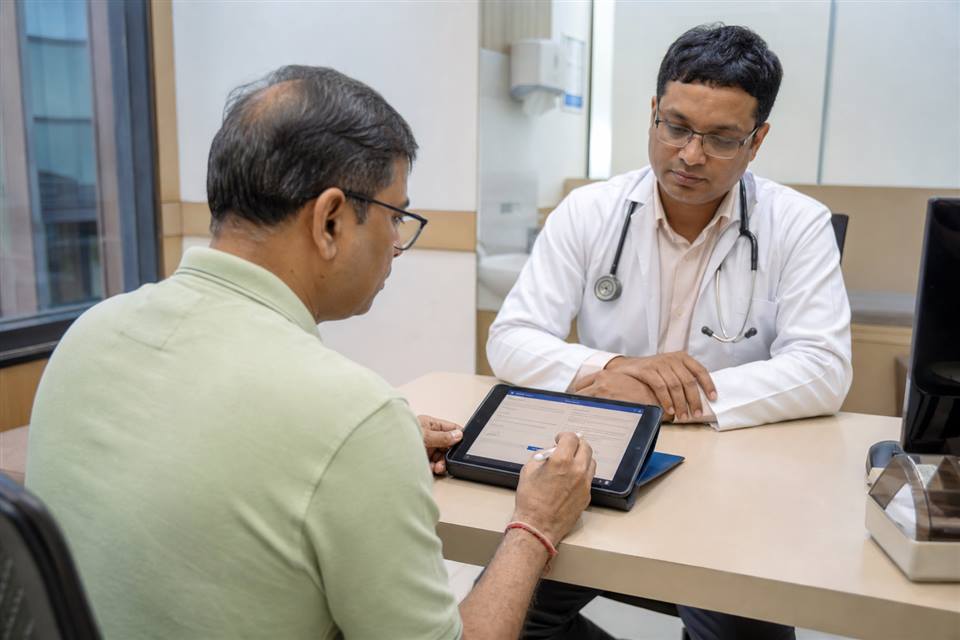
Walk-in and confirmed appointments on one board. Emergency cases move to the front. Counter and online bookers share the same queue.
Clinical orders
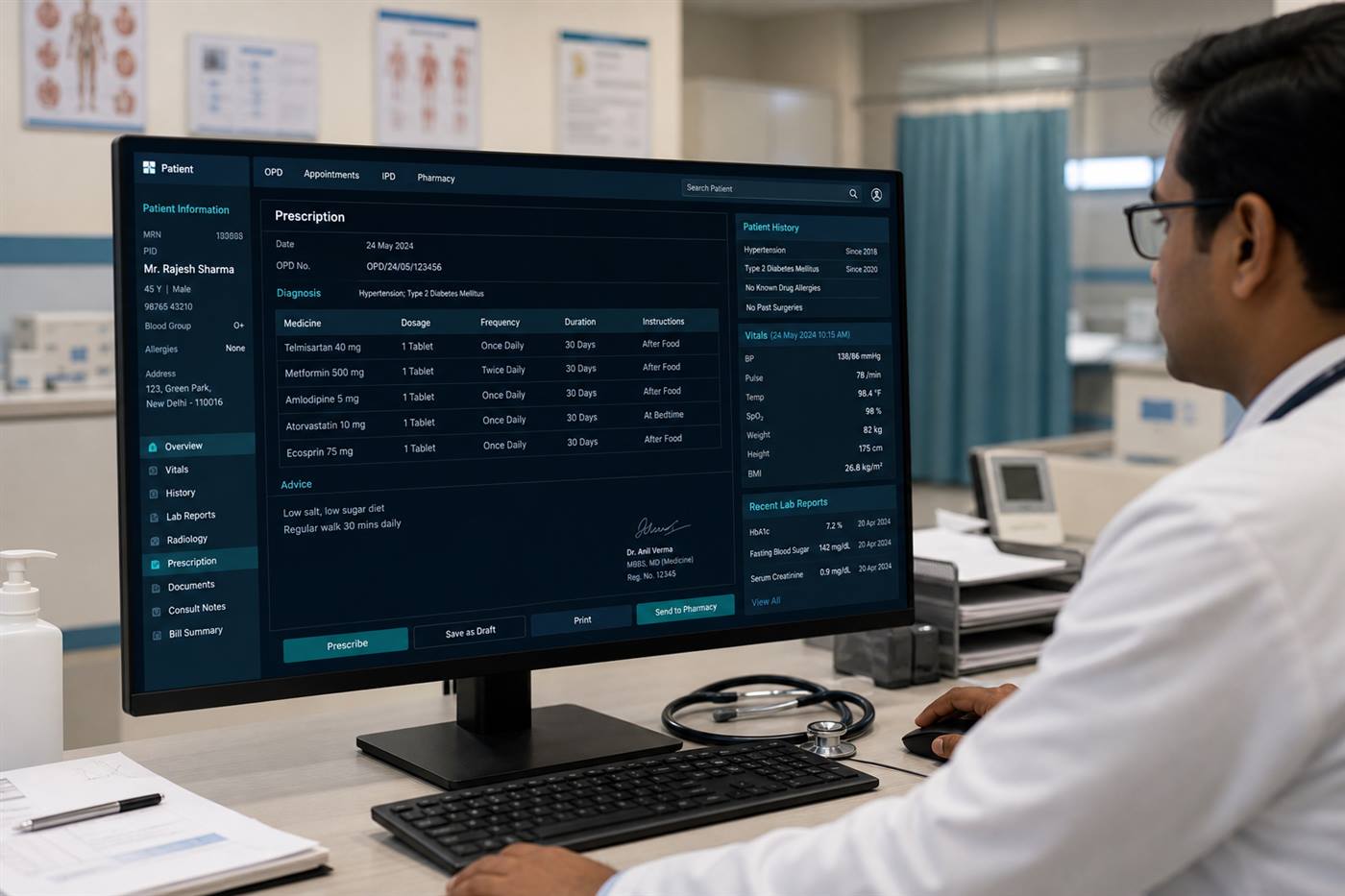
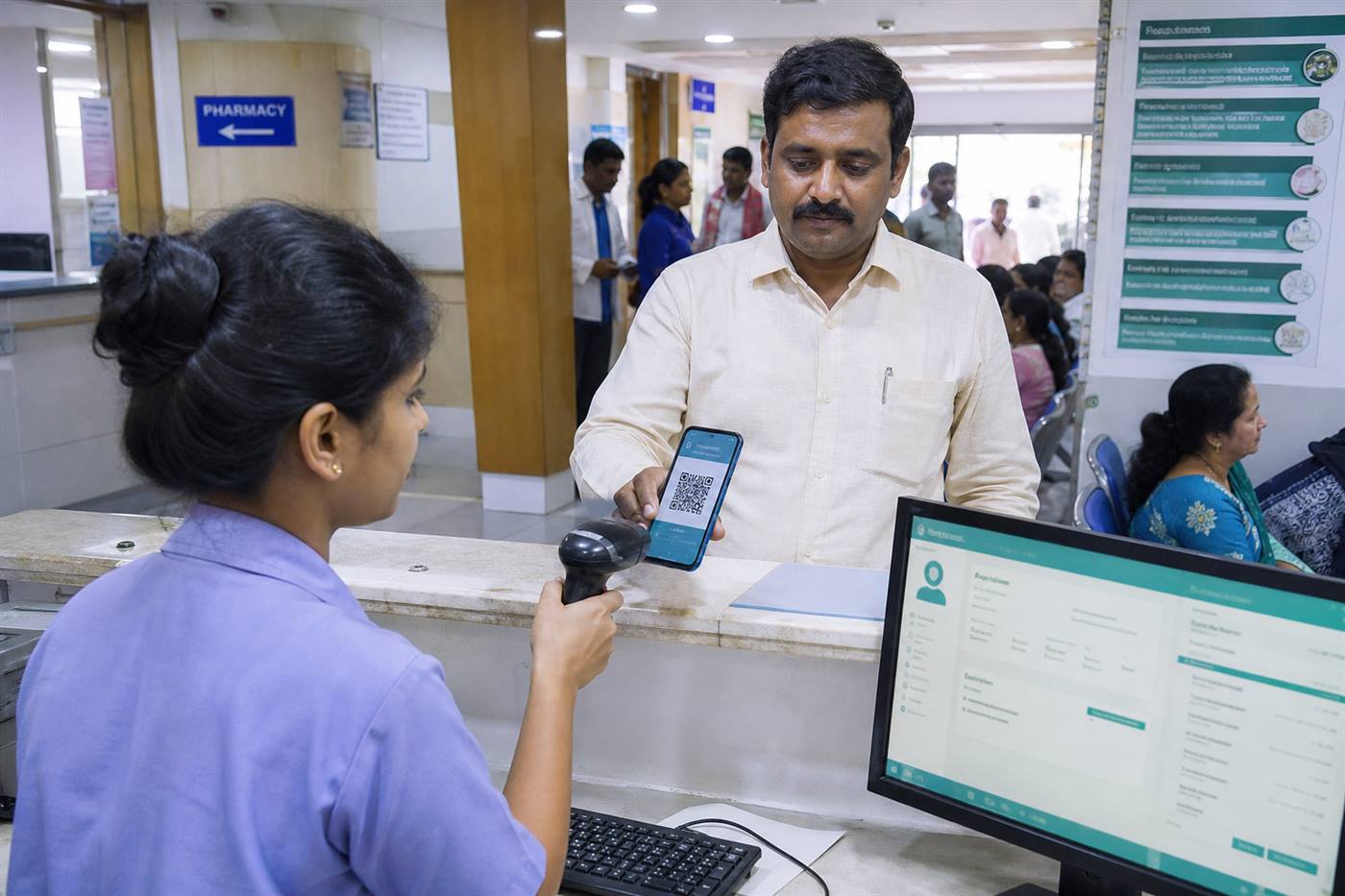
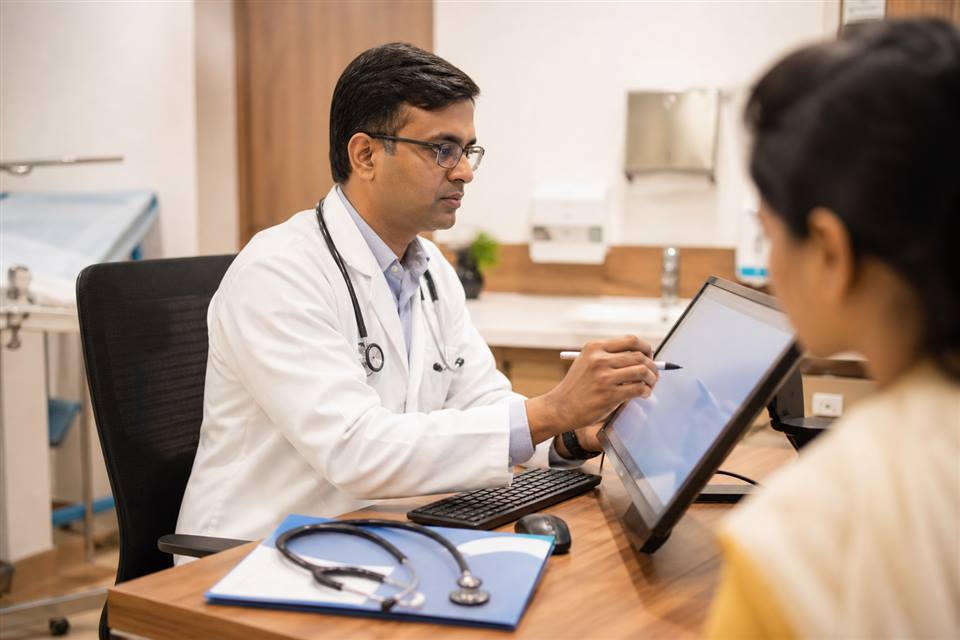
Electronic orders with allergy and interaction checks. Dispense and report against the same order. Create or link ABHA at registration.
Licence and subscription
Pick a plan. Turn modules on with the licence. Hourly metering is for the single-doctor plan only.
Consulting room, OPD chamber
Rs 1 per hour
Rs 720 / month · Rs 8,640 / year
Polyclinic, day-care, 2–10 doctors
Rs 10,000 per month
Rs 1,20,000 / year
Nursing home, 20–100 beds
Rs 30,000 per month
Rs 3,60,000 / year
Multi-specialty, 100+ beds, chains
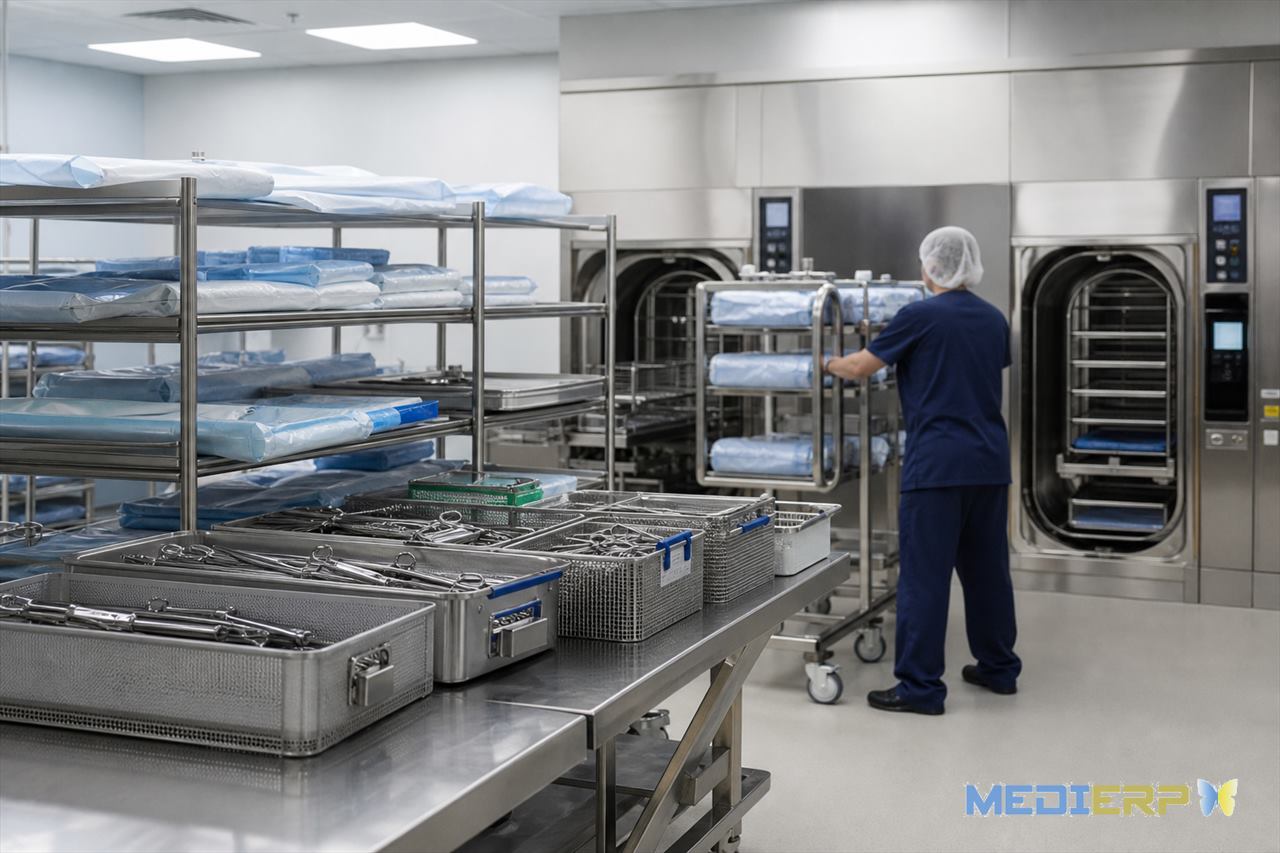
Rs 3,00,000 per month
Rs 36,00,000 / year
Modules
Core is identity, security, and the plugin loader. Clinical work is a licensed module.
First-visit form, walk-in vs confirmed, waiting-time ETA, emergency reorder. Counter and online bookers share one queue.
Appointment link by SMS, app install, missed-visit recall, language-wise templates.
Bill on the appointment. Rate types, packages, refunds. Optional vendor-bill ingest for year-end price checks — we do not keep a long-term copy of supplier invoices.
Style, font, and language on the print. Dose auto-calc. Allergy, duplicate-class, and interaction blocks. Handwritten is not the default path.
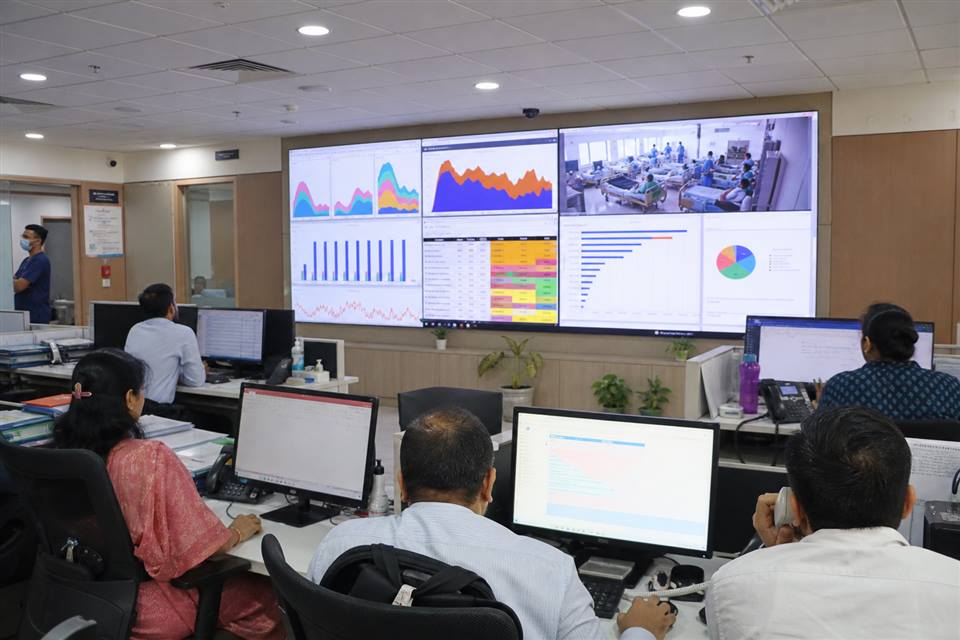
Year-on-year patients, age bands, drug value, vaccine brand, month seasonality. Built from live workflow, not a side spreadsheet.
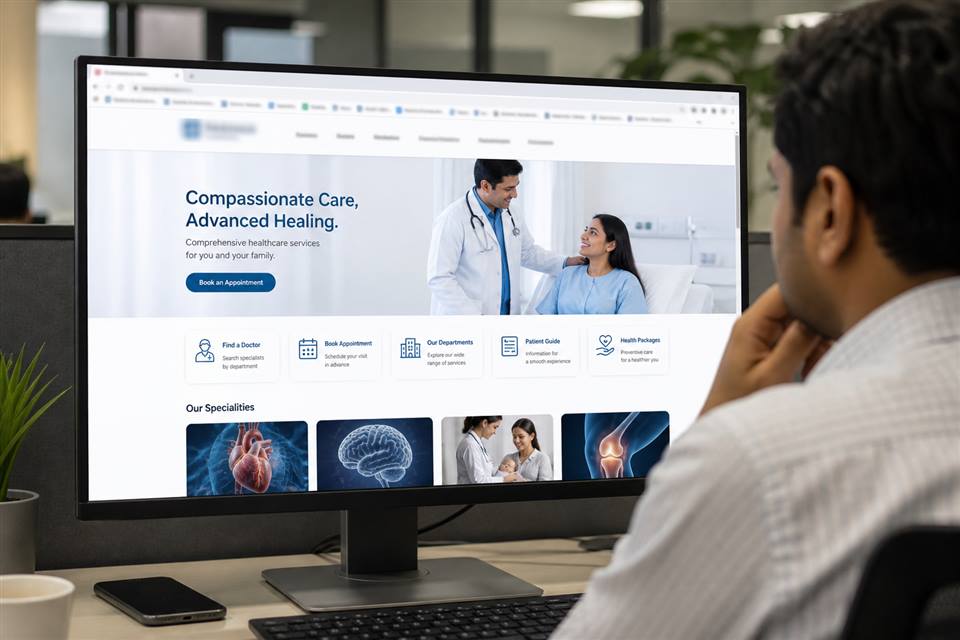
Doctor, clinic, or hospital site with booking. You edit pages; patients book into the same calendar.
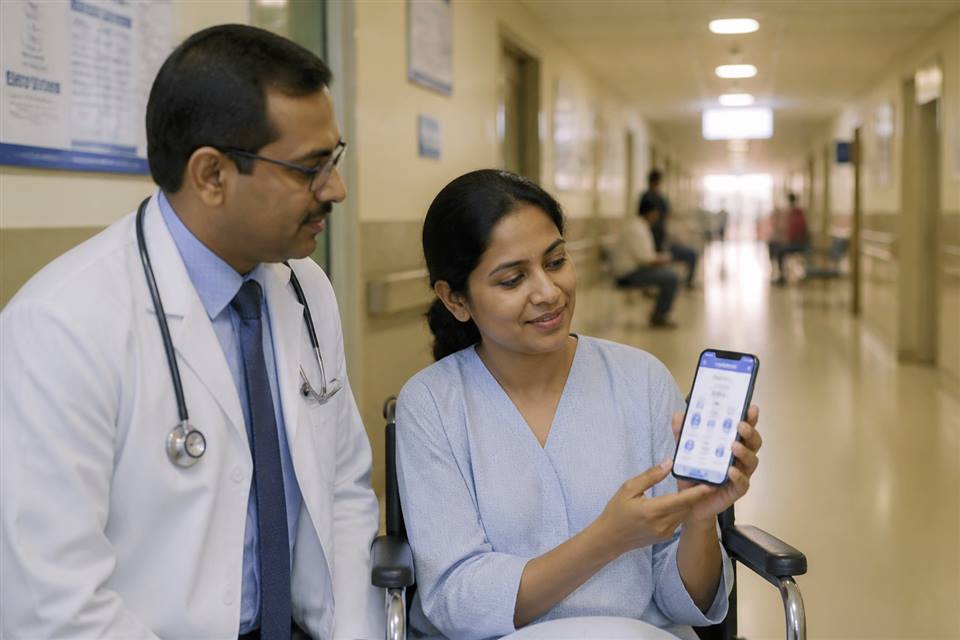
Patient app for reports and visits. Doctor app for queue and notes. Queue TV as a display app.
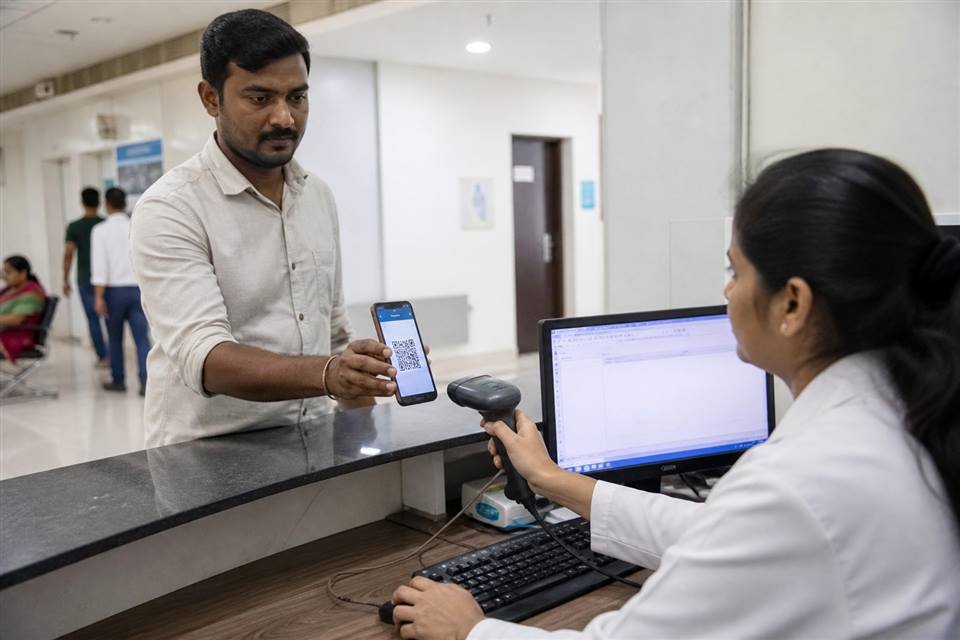
Create or link ABHA at the desk. Scan and Share at reception. Health records out and in as the national programme requires — mapped from Medi ERP, not stored as the clinical source of truth.
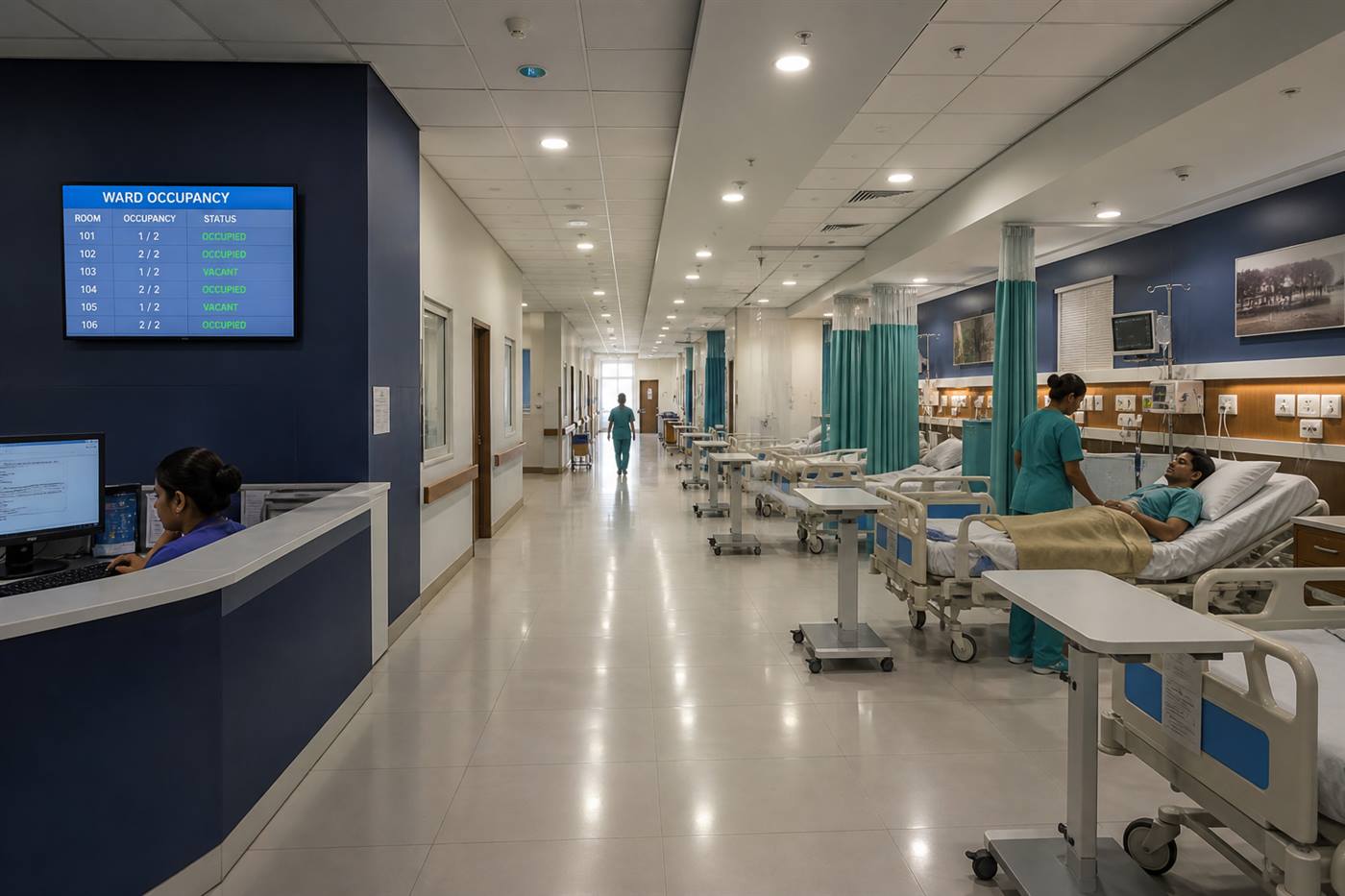
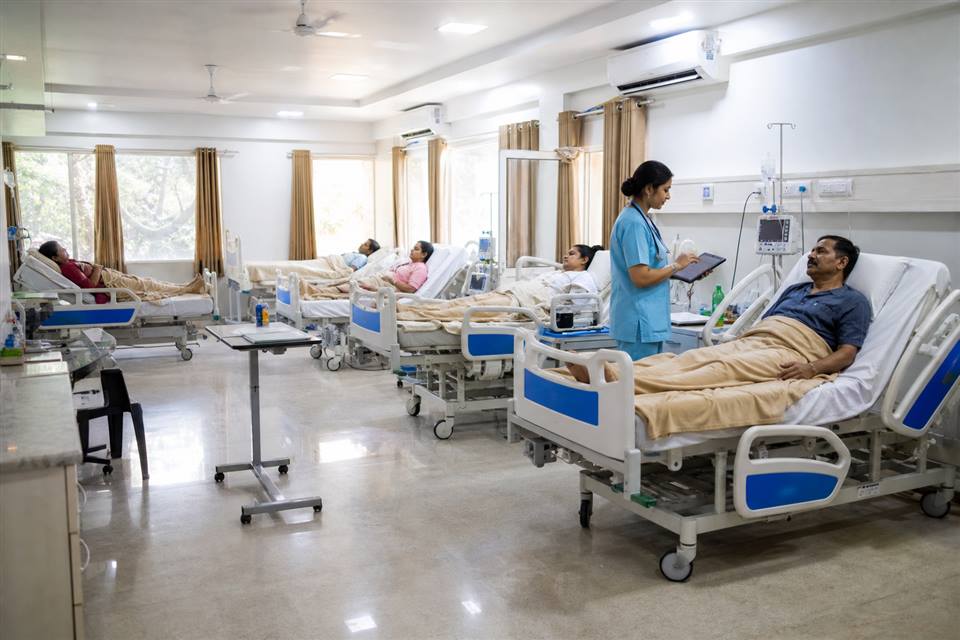
Admit, transfer, discharge. Ward census, bed occupancy, discharge summary that cannot close incomplete.
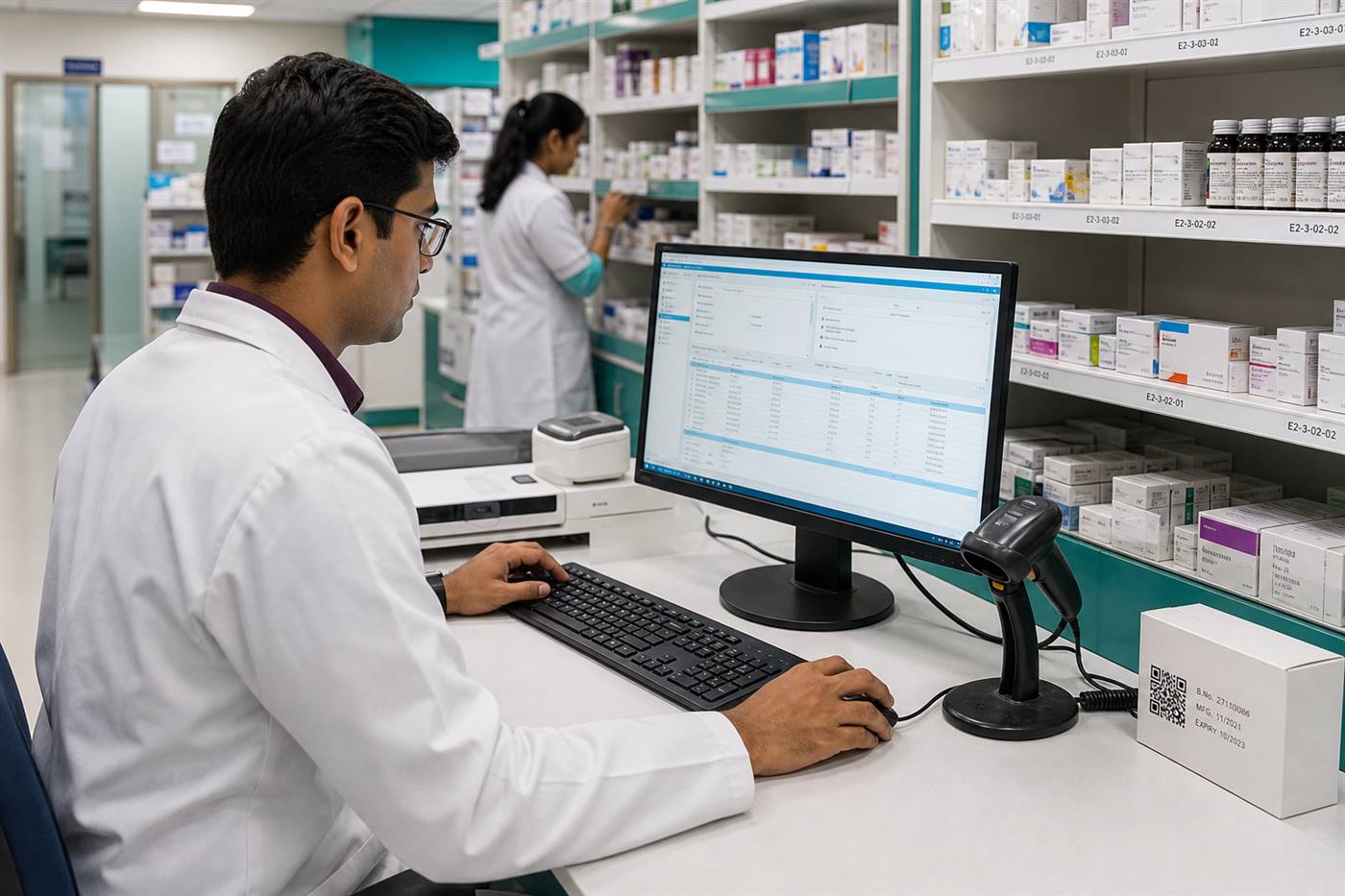
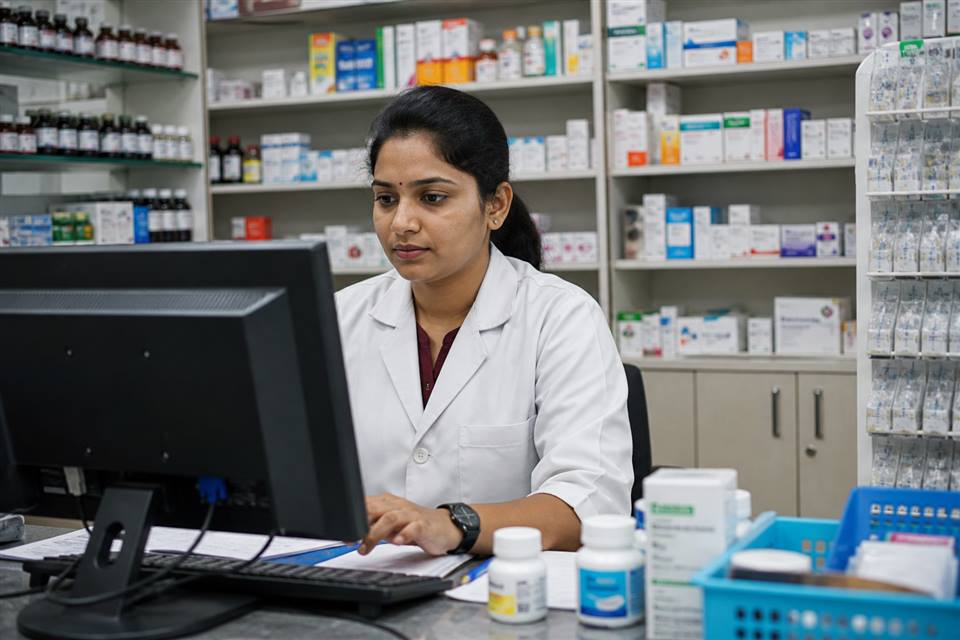
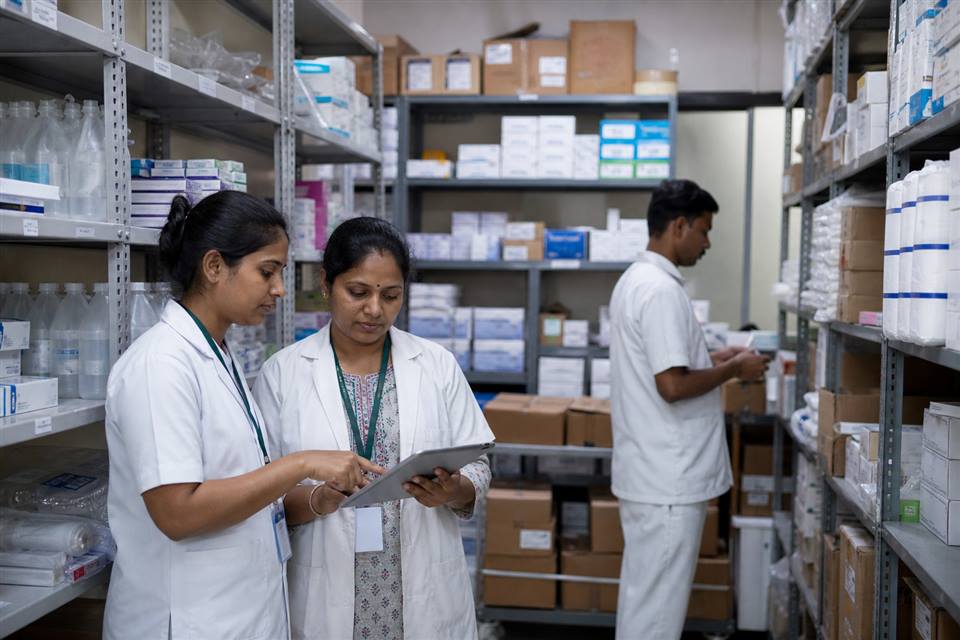
Generic and brand, batch and expiry, indent to issue. Dispense against the same order the doctor signed.
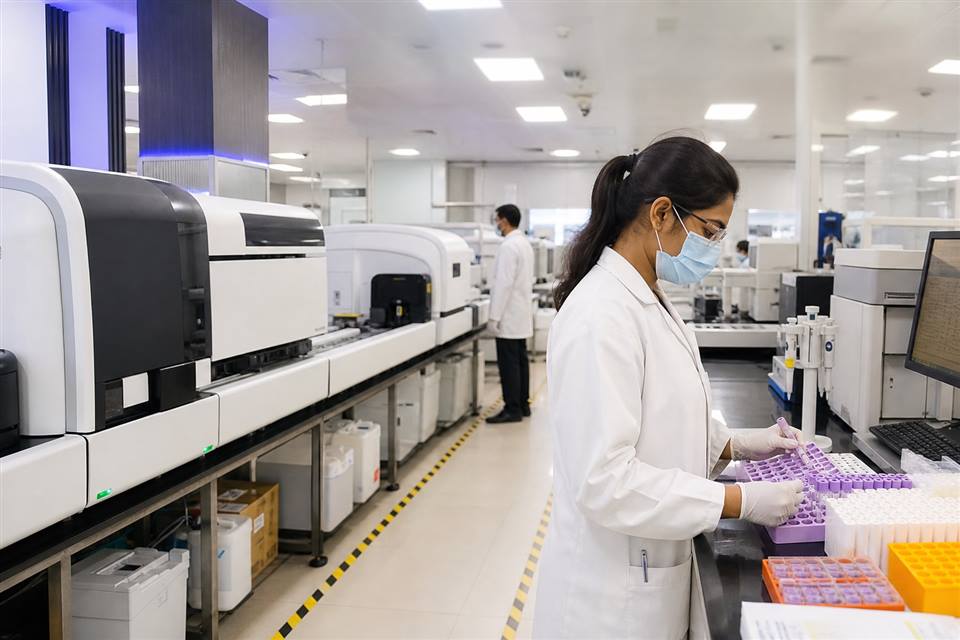
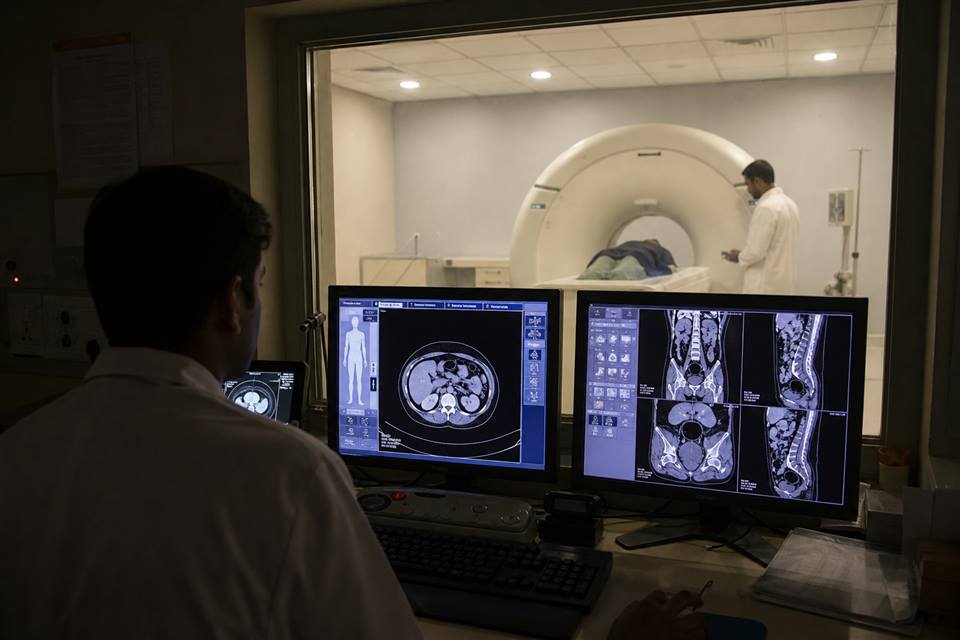
Order, sample, verify, report. Analyzer interface. Barcode. Results back on the encounter.
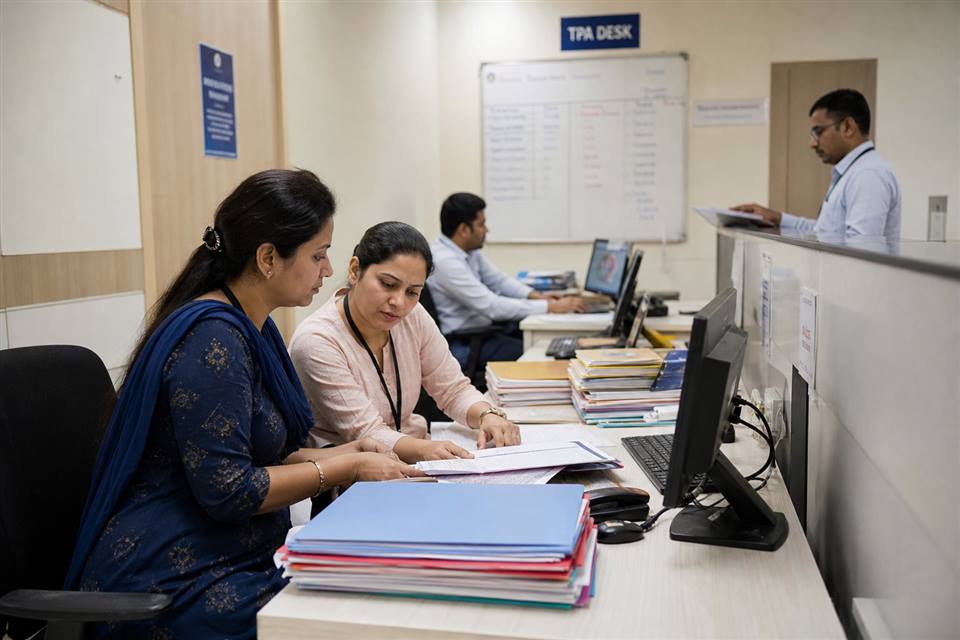
Panel tariffs, pre-auth, claims, government scheme credit billing.
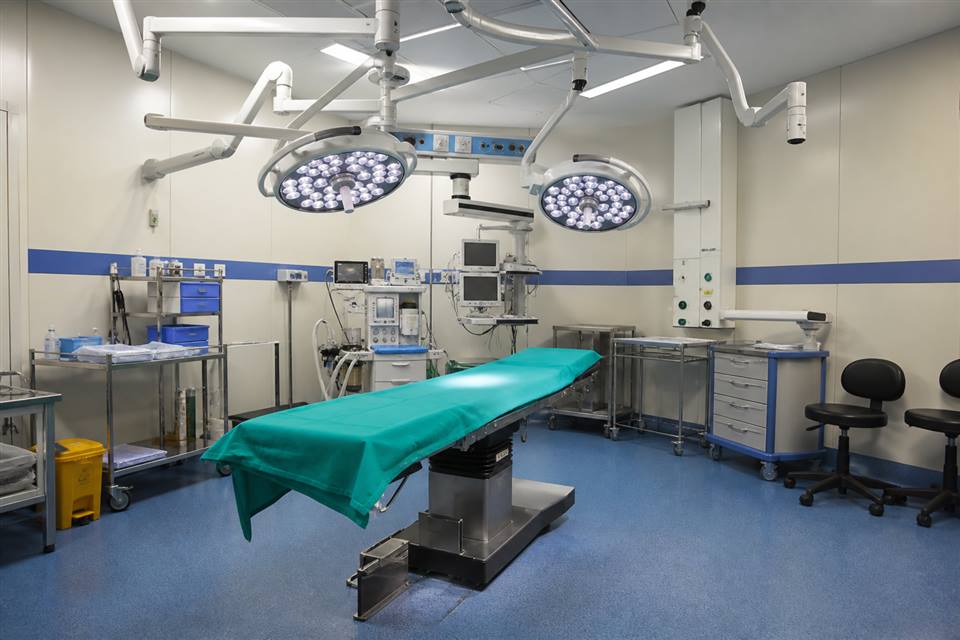
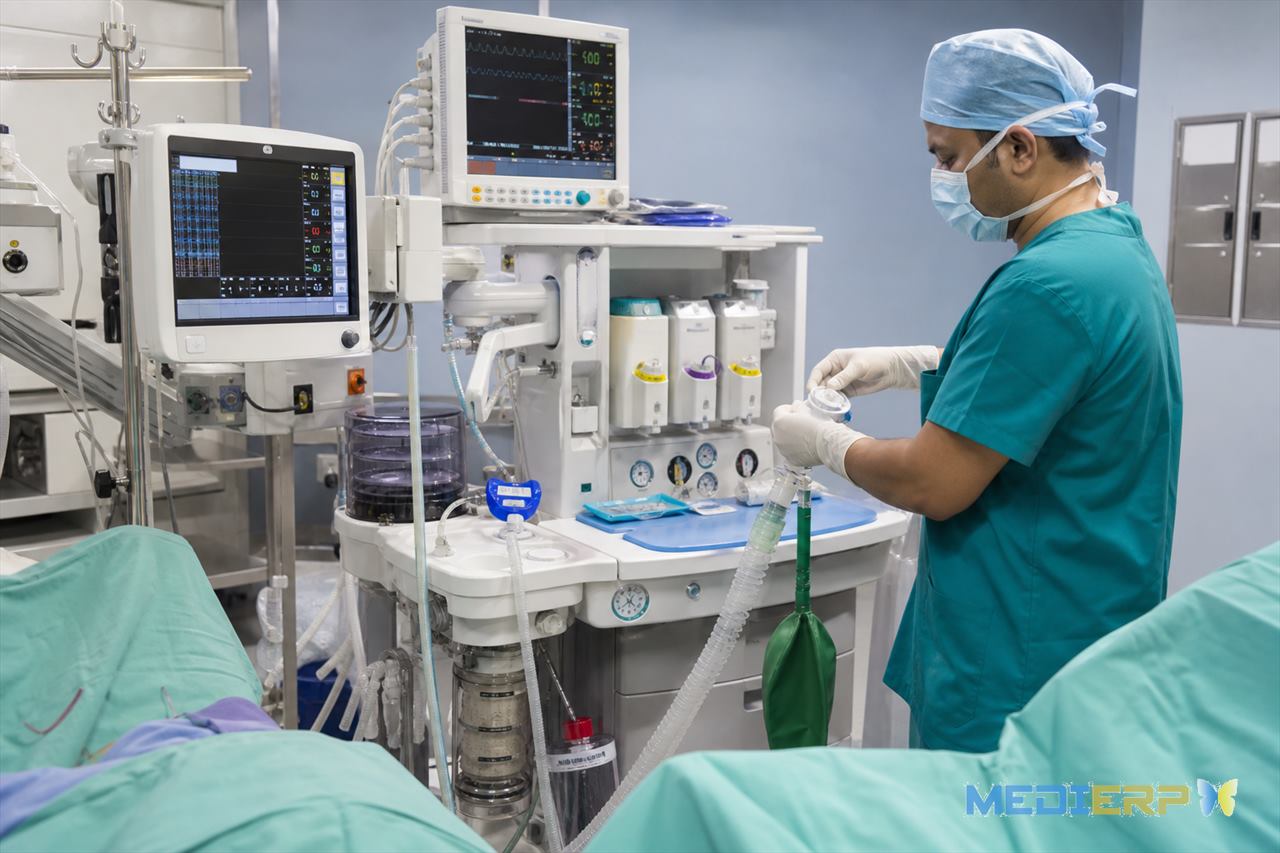
Elective and emergency lists, WHO checklist, anaesthesia notes, implant consumption into billing.
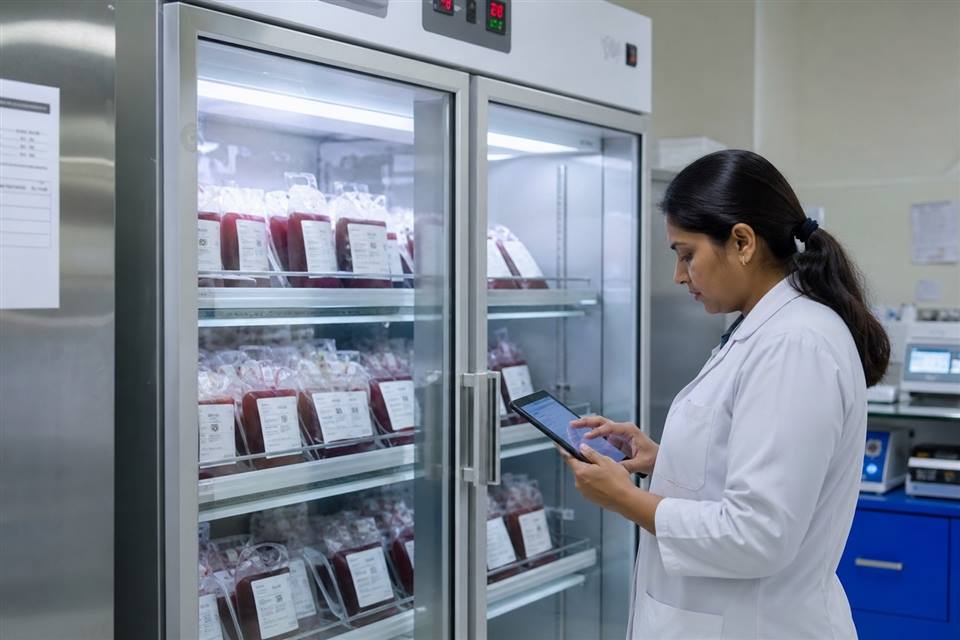
Requisition, cross-match, issue, transfusion vitals, national blood-stock connector where required.
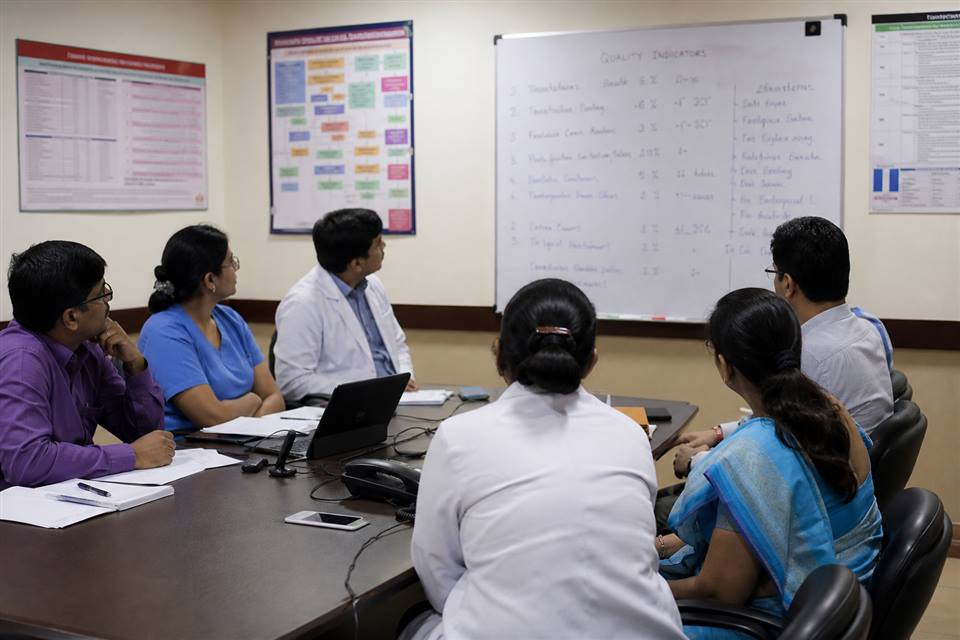
Wait time, re-admit, medication errors, checklist adherence — captured from the same screens staff already use.
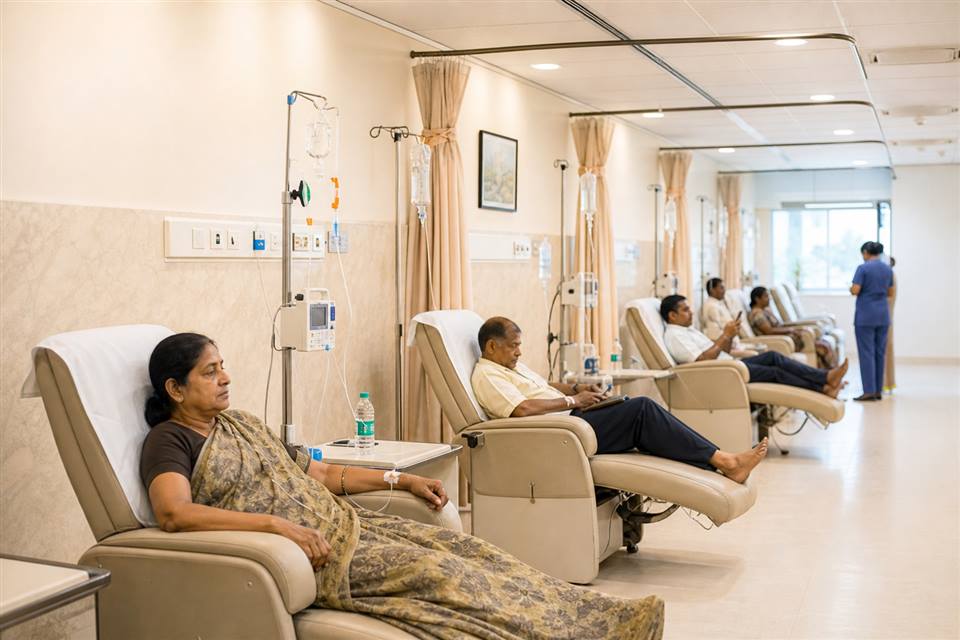
Paid specialty after core hospital modules: staging, chemo order sets, tumour board, radiotherapy interface, cancer registry. Not in the single-doctor plan.
Licensing
You activate a module with a licence. The clinical product is compiled. Hospitals never receive source code.
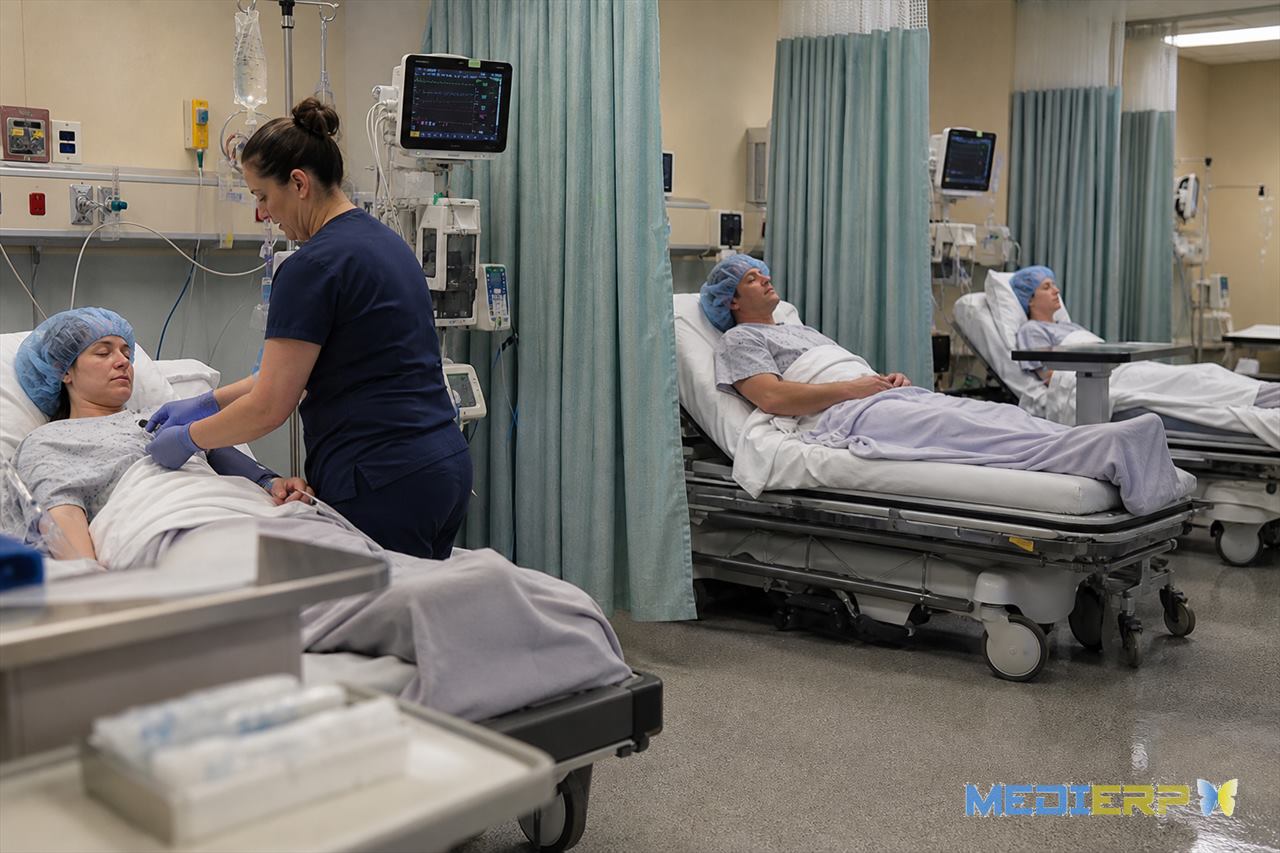
Single doctor, clinic, and small hospital run on our cloud. Browser only. Updates go out overnight.
Big Hospital may choose SaaS, a private cloud we operate, or a compiled install. Never source on their server.
New national rules ship as product updates. You do not wait for an engineer to patch a frozen site.
India
Clients
Names from the previous generation of the product.
We ran Medi ERP for daily OPD and IPD. The next product keeps that hospital language and adds the rails India now requires.
Patient identity, encounter, billing, and lab orders were already one spine. That is what we are rebuilding — not a new vocabulary.
Specialty work needs protocols on top of a stable HIS. Oncology is a licensed pack, not a second product.
Marketing is open. Backend work is in progress.